

Renewing your Texas driver’s license keeps you legally authorized to drive on state roadways. This guide explains all renewal options available to Texas residents, including online, in-person, and mail-in methods, as well as what to do if your license has already expired.
Texas offers multiple convenient renewal pathways depending on your eligibility and circumstances. Understanding your options helps you choose the fastest, most convenient method while ensuring you meet all requirements.
Virtual Drive of Texas has helped Texans navigate driver licensing since 2004. While renewal typically doesn’t require driver education courses, some situations—such as significantly expired licenses—may require retesting. This guide clarifies when additional requirements apply and how to handle every renewal scenario.
Whether your license is about to expire or has already lapsed, this guide provides the information you need to get back on the road legally.

Texas Driver’s License Renewal Options
Texas DPS offers three primary methods for renewing your driver’s license. Your eligibility for each method depends on factors including age, renewal history, and whether you have any outstanding issues on your driving record.
Online Renewal:
The fastest and most convenient option, online renewal through the Texas DPS website, allows eligible drivers to complete the process from home. Pay your fee with a credit or debit card, and your new license arrives by mail within a few weeks. You’ll receive a temporary extension to use while waiting.
Online renewal is available 24/7 and typically takes just a few minutes to complete. This method works well for drivers with straightforward renewal situations and no changes needed to their license information.
In-Person Renewal:
Visit any Texas DPS office to renew in person. This option is required for drivers who need updated photos, have name or address changes, or don’t qualify for online renewal. Schedule an appointment through the DPS website to minimize wait times.
Bring your current license, proof of any name changes if applicable, and payment for renewal fees. DPS accepts cash, check, money order, and credit/debit cards at most locations.
Mail-In Renewal:
Texas residents temporarily living outside the state can renew by mail. This option serves military members stationed elsewhere, students attending out-of-state schools, and others with legitimate reasons for being outside Texas.
Complete the renewal application, include required documentation and payment, and mail to the address specified by DPS. Processing takes longer than other methods, so plan accordingly.
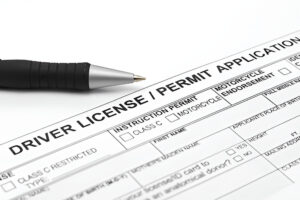
Texas Driver’s License Renewal Requirements
Standard renewal requirements apply to most Texas drivers. Meeting these requirements ensures smooth processing regardless of which renewal method you choose.
Eligibility Requirements:
Texas license renewal is available up to 2 years before your expiration date and up to 2 years after your expiration date, without additional testing requirements. Your license must not be suspended, revoked, or cancelled. Drivers with outstanding warrants, unpaid fees, or other holds on their record must resolve these issues before renewal.
Documentation Requirements:
For in-person renewal, bring your current Texas driver’s license. If your name has changed, provide legal documentation such as a marriage certificate, divorce decree, or court order. Address changes can be made during the renewal process.
Online and mail-in renewals require your current license number and other identifying information as specified by DPS.
Vision and Photo Requirements:
Texas requires updated photos to be submitted periodically during the renewal process. Drivers who renewed their previous license online may need to appear in person for a new photo. Vision screening is conducted during in-person renewals to verify that you meet minimum vision standards for safe driving.
Fee Requirements:
Renewal fees vary based on license type and duration. Standard driver’s license renewal currently costs $33 for an eight-year license. Additional fees may apply for motorcycle endorsements, commercial licenses, or expedited processing.

How to Renew Your Texas License Online
Online renewal is the fastest way to renew a license for eligible drivers. Complete these steps to renew through the Texas DPS website.
Step 1: Verify Eligibility
Visit the Texas DPS website and check your renewal eligibility. Enter your driver’s license number and other requested information. The system confirms whether you qualify for online renewal or must use another method.
Step 2: Complete the Application
Answer questions about your driving history, residency, and any medical conditions that might affect your ability to drive safely. Update your address if needed. Review all information carefully before proceeding.
Step 3: Pay the Renewal Fee
Pay with a credit or debit card. The fee covers your new license and processing. After payment, you’ll receive confirmation of your renewal.
Step 4: Print Your Temporary License
The system provides a temporary driving permit valid while your new license is processed and mailed. Print this document and keep it with you when driving. Your permanent license typically arrives within three weeks.
Step 5: Receive Your New License
Your renewed license arrives by mail at the address on file. Destroy your old license once the new one comes to prevent confusion or misuse.
What If Your Texas License Is Expired?
The renewal process differs based on how long your license has been expired. Texas provides grace periods for recently expired licenses while requiring additional steps for significantly lapsed ones.
Expired Less Than Two Years:
You can renew through standard methods without retaking written or driving tests. Online renewal may still be available depending on your eligibility. The process mirrors a standard renewal, though you should avoid driving until renewal is complete, as driving with an expired license is illegal.
Expired More Than Two Years:
Texas treats licenses that have expired for more than two years as though you’re applying for a new license rather than renewing. This requires passing both the written knowledge test and the driving skills test at a DPS office.
If you fall into this category and are under age 25, you may also need to complete driver education requirements before testing. Virtual Drive’s Adult Driver’s Education course fulfills this requirement for adults aged 18-24, including the written test so that you can skip that portion at DPS.
Expired License and Moving to Texas:
Drivers relocating to Texas with expired out-of-state licenses face the exact same requirements as those with expired Texas licenses. Licenses that have expired for less than two years may transfer without testing, while those that have expired longer require complete testing.
Special Renewal Situations
Certain circumstances affect how Texas drivers renew their licenses. Understanding these situations helps you navigate unique requirements.
Military Personnel:
Active duty military members and their dependents receive special accommodations. Your license remains valid until 90 days after discharge from active duty, regardless of the printed expiration date. Renewal by mail is available for military members stationed outside Texas.
Senior Drivers:
Texas doesn’t impose additional testing requirements based solely on age. Drivers of all ages follow the same renewal procedures. However, in-person renewal with vision screening may be required more frequently for older drivers.
Commercial Driver’s License (CDL):
CDL renewal involves additional requirements beyond standard license renewal. Medical certifications, endorsement renewals, and specific documentation apply. Virtual Drive offers CDL ELDT Theory Training for drivers needing commercial license education.
License Suspensions or Revocations:
If your license was suspended or revoked, you cannot simply renew. You must complete all reinstatement requirements, pay any required fees, and potentially appear at a DPS hearing before becoming eligible for a valid license.

When Driver Education Is Required for Renewal
Standard license renewals don’t require driver education courses. However, specific situations may trigger education requirements during the renewal process.
Expired More Than Two Years (Ages 18-24):
Adults aged 18-24 whose licenses expired more than two years ago must complete the 6-hour Adult Driver Education course before obtaining a new license. Virtual Drive’s Adult Driver’s Ed course (TDLR #C2636) fulfills this requirement and includes the written test, allowing you to skip that portion at DPS.
Court-Ordered Education:
Traffic violations or other court proceedings may require completion of specific courses before license reinstatement or renewal. These requirements vary based on the breach and court orders.
First-Time Texas License:
If you’re not renewing but rather obtaining your first Texas license, education requirements depend on your age. Teens require comprehensive driver education, adults 18-24 need the 6-hour course, and adults 25+ can proceed directly to testing without required coursework.
Adults 25 and Older:
Texas law doesn’t require driver education for adults 25 and older—but that doesn’t mean skipping it is your best option.
Q: As a 25+ adult, do I have to take the online course, or can I skip it?
You’re not required to take a driver’s ed course, but here’s what most people don’t realize: if you take our 6-hour Adult Driver’s Ed course, you can skip the written test at DPS entirely. The course final exam is the DPS written test, and you take it from home.
Fun Fact: By the time you schedule and take your written test at the DPS, you could’ve already finished our online course—without ever leaving home!
Take the Written Test Online →

Common Questions About Texas License Renewal
Do I need to take any tests to renew my Texas license? Not for standard renewals within two years of expiration. Licenses that have expired for more than two years require both written and driving tests. Vision screening applies during in-person renewals.
Can I renew my Texas license if I live in another state? Texas residents temporarily living elsewhere can renew by mail. If you’ve established permanent residency in another state, you’ll need to obtain a license in your new state rather than renewing your Texas license.
How early can I renew my Texas driver’s license? You can renew up to two years before your expiration date. Early renewal is convenient if you’ll be traveling or busy near your expiration date.
What happens if I drive with an expired license? Driving with an expired license is illegal in Texas and can result in traffic citations, fines, and potential vehicle impoundment. Renew before expiration or avoid driving until renewal is complete.
How long does online renewal take? The online process takes just a few minutes. Your new license typically arrives by mail within three weeks. A temporary permit allows you to drive legally while you wait.
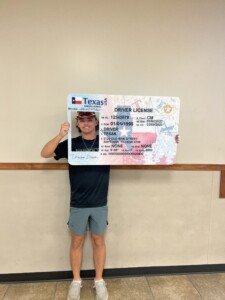
Conclusion
Renewing your Texas driver’s license is straightforward for most drivers. Online renewal offers the fastest option for eligible residents, while in-person and mail-in methods accommodate various situations. The key is addressing renewal before or shortly after expiration to avoid additional testing requirements.
If your license has expired significantly or you’re obtaining your first Texas license, Virtual Drive of Texas provides the driver education courses you may need. Our TDLR-approved programs include integrated testing and instant certificate downloads to streamline your path back to legal driving.
Take action on your license renewal today to maintain your driving privileges and avoid complications.

Get Started with Virtual Drive of Texas
Need Driver Education for Licensing?
Enroll in Adult Driver’s Education – Required for ages 18-24 obtaining a first license or reinstating after a prolonged expiration. Complete your 6-hour course with an integrated written test and instant certificate. Available in English and Spanish. Just $38.00 (regularly $78.00).
Enroll in Parent-Taught Driver’s Ed – For teens 14-17 getting their first license. Complete 24-hour course with all parent materials included. Just $59.95 (regularly $99.95).
Essential Resources:
- Texas Driver Education Requirements
- Take Our Free DPS Practice Test
- Find Your Local DPS Office
- Download the Texas Driver’s Handbook
- Understanding Texas Driver’s License Tests
Questions About Your Situation? Contact our Texas-based support team at (833) 3-VDRIVE. We’ll help you understand whether driver education is required for your circumstances and guide you toward the right solution.