Mastering Texas Defensive Driving: Your Guide to Safety, Savings, and Success

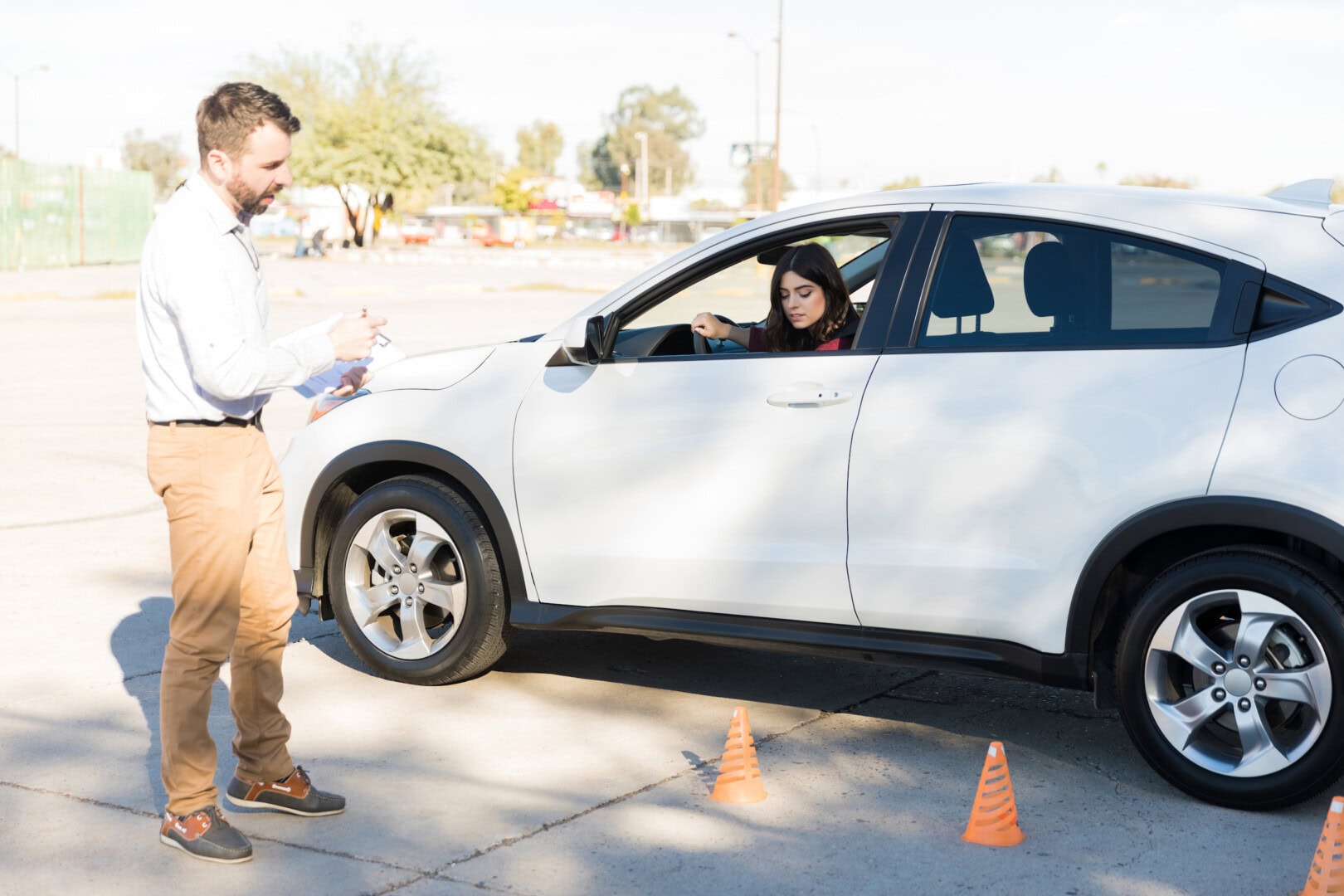
Group of drivers attending a defensive driving course in a classroom, learning safe driving techniques.

When it comes to driving in Texas, safety should always be a priority. Whether you’re navigating busy city streets, cruising down highways, or traveling through rural areas, defensive driving can help you recognize hazards, stay alert, and respond to changing conditions. These habits can reduce crash risk. An eligible driver may also use a court-approved driving safety course to seek dismissal of certain traffic citations, and some insurers may offer a discount for completing a qualifying course.

This guide explains defensive-driving fundamentals, practical habits, and the Texas process for using a driving safety course. Ticket-dismissal eligibility and insurance discounts are not automatic: follow the instructions from the court handling your citation and confirm any potential discount directly with your insurer.

What is Defensive Driving?

Defensive driving is a proactive approach to driving that focuses on preventing accidents before they happen. While it’s not about avoiding responsibility or breaking the law, it’s about being a step ahead of potential dangers. Defensive driving emphasizes situational awareness and requires you to anticipate what other drivers might do and react in a way that keeps you and others safe.

Key principles of defensive driving include:
  1. Anticipating Hazards: Always be on the lookout for potential dangers on the road. This could mean watching for distracted drivers, changes in weather, or road conditions.
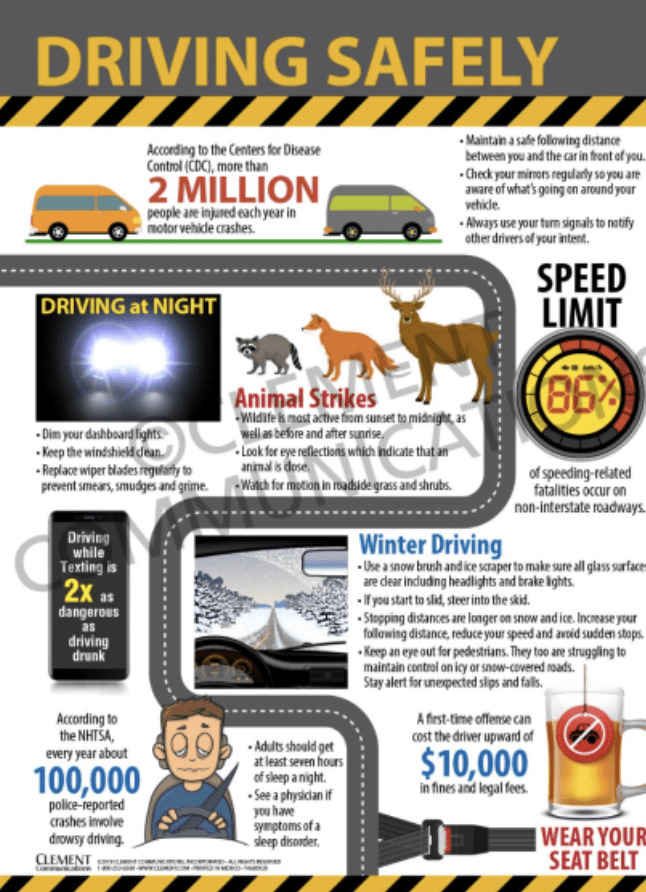
  2. Maintaining Safe Following Distances: Keep enough space between your vehicle and the one in front of you. This allows you to react in case of sudden stops or emergencies.
  3. Staying Focused: Avoid distractions like texting, eating, or using your phone. Staying focused ensures you’re aware of your surroundings and can react in time.
  4. Using Your Mirrors and Signals: Constantly check your mirrors and signal your intentions early to give other drivers time to react.
  5. Adapting to Road and Weather Conditions: Adjust your driving according to weather conditions, such as slowing down during rain or fog, or keeping a safe distance in winter driving conditions.

The Benefits of Defensive Driving

There are several reasons to develop defensive-driving habits. They can improve awareness, support safer decisions, and may provide financial or driving-record benefits in qualifying situations.

1. Improved Safety on the Road

The primary benefit of defensive driving is safety. Staying alert, anticipating risks, and leaving room to respond can help you recognize distracted drivers, road hazards, pedestrians, and changing traffic conditions before they become emergencies.

2. Potential Insurance Discounts

Some insurance companies offer discounts to drivers who complete a qualifying driving safety course. Availability, eligibility, and the amount of any discount vary by insurer, so ask your insurance company before enrolling if a discount is your goal.

3. Ticket Dismissal and Your Driving Record

With permission from the court, an eligible Texas driver may complete an approved driving safety course and provide the required documentation to seek dismissal of certain traffic citations. Completing a course by itself does not dismiss a citation. Texas driver-license suspension rules use specified numbers of moving-violation convictions within defined periods rather than a points balance. Review the Texas Department of Public Safety traffic-offense guidance and follow your court’s instructions.

4. Better Decision-Making Skills

Defensive driving teaches you to scan for hazards, leave space, and respond calmly in difficult situations. Those skills can help when you encounter aggressive drivers, poor visibility, congestion, or slippery roads.

5. Long-Term Driving Success

The habits developed through defensive-driving instruction can support safer choices well beyond the course itself. Continued practice is what turns those ideas into reliable everyday driving habits.
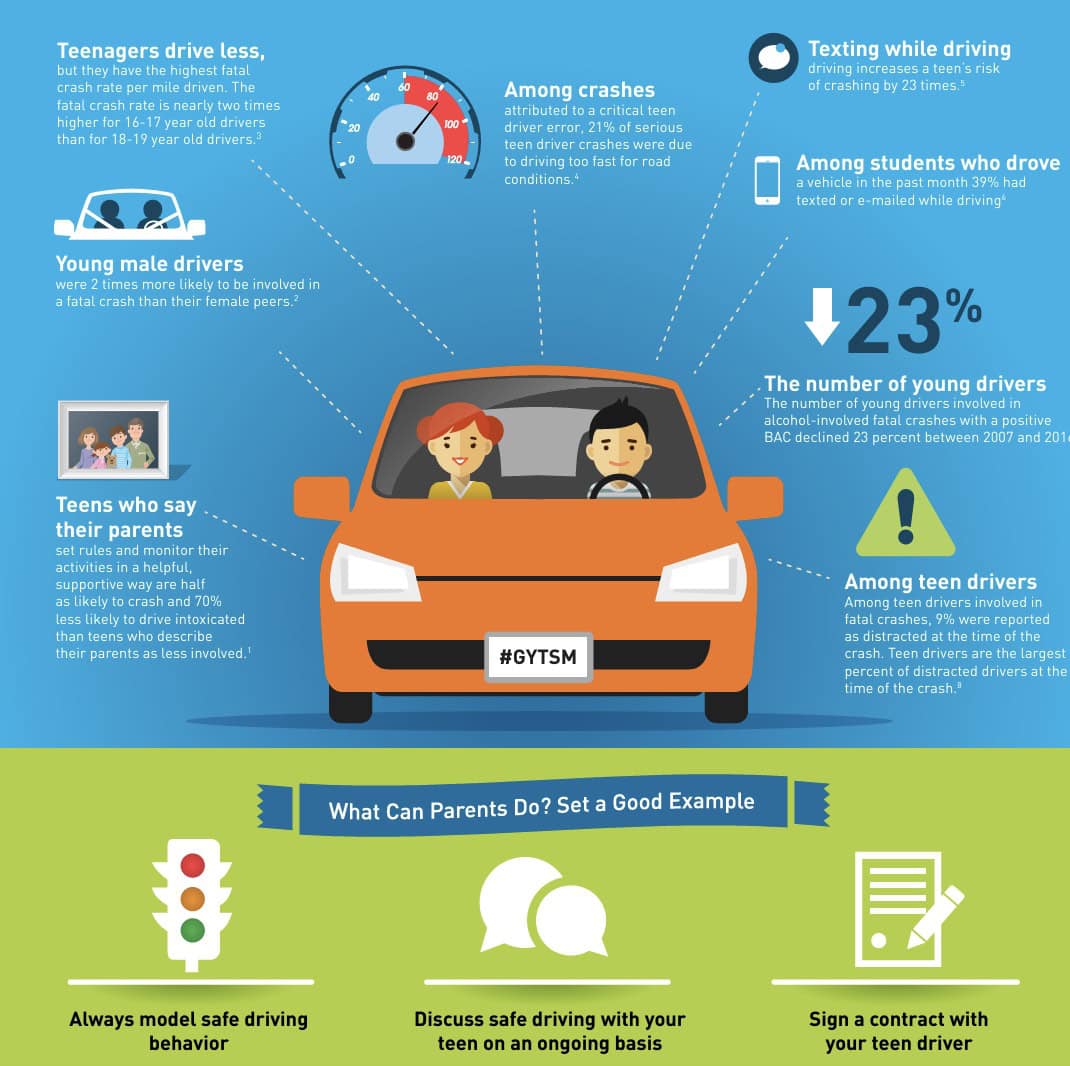
Teen driving safety infographic with crash-risk statistics and tips for parents.

How to Master Defensive Driving in Texas

Mastering defensive driving takes practice, but any driver can build safer habits with the right tools and mindset. Here is how to get started in Texas:

1. Take a Driving Safety Course

An eligible Texas driver may request the court’s permission to complete a driving safety course for dismissal of certain traffic citations. The course does not automatically dismiss a citation, and it should not be taken for dismissal until you have followed the court’s instructions. A driving safety course may also qualify for an insurance discount, depending on the insurer. Texas offers online and in-person options:
  1. Online Driving Safety: Online courses provide schedule flexibility. A course used for ticket dismissal must meet Texas requirements, including at least six hours of instruction.
  2. In-Person Driving Safety: Classroom courses cover required driving-safety material in a face-to-face setting and must also meet applicable Texas requirements.
For ticket dismissal, choose a provider licensed by the Texas Department of Licensing and Regulation (TDLR), complete the course within the court’s deadline, and submit the certificate and any other required documents exactly as directed. You can review TDLR driving safety information before enrolling.

2. Practice Defensive Driving Every Day

A course is a useful starting point, but defensive-driving principles matter most when they become everyday habits:
  • Stay Alert: Watch other drivers, pedestrians, traffic controls, and road conditions. Avoid texting and other distractions.
  • Leave Space: Use a time-based following gap and increase it when visibility, traffic, weather, or road conditions make stopping more difficult.
  • Use Your Mirrors and Signals: Check around your vehicle regularly and signal early enough for others to understand your intentions.
  • Respond Calmly: Avoid aggressive responses and create distance from unsafe drivers whenever possible.

3. Follow the Texas Ticket-Dismissal Process

  • Confirm Eligibility: Eligibility depends on the violation and your circumstances. In general, the dismissal option is not available if you completed a driving safety course for dismissal during the 12 months before the date of the current offense. Other statutory exclusions may apply.
  • Obtain Court Permission: Request the option through the court handling the citation and wait for its instructions before taking the course for dismissal.
  • Meet Every Deadline: Complete the approved course and submit the certificate, driving record, or other documents the court requires.
This article provides general information and is not legal advice. The court handling your citation determines whether you qualify and what you must submit.
Driving safety infographic covering following distance, night driving, winter driving, distraction, speed, drowsiness, and seat belts.

Defensive-driving habits can support safer decisions, a stronger driving record, and greater confidence on the road. If you are considering a course for ticket dismissal, obtain the court’s permission first and follow every deadline. If your goal is an insurance discount, confirm eligibility with your insurer before enrolling. Most importantly, continue practicing the skills after the course so they become part of your everyday driving.

more insights

TEXAS DEFENSIVE DRIVING

REVIEW THE COURSE, ELIGIBILITY, AND ENROLLMENT DETAILS